Funerals have always been about honouring life and saying goodbye, but the way we do that has evolved dramatically over the years. From horse-drawn hearses to modern eco-friendly coffins, and from rigid traditions to personalised ceremonies, the funeral industry has seen huge change, and continues to adapt to reflect the people and values of our times.
From Horse and Carriage to Motorised Hearses
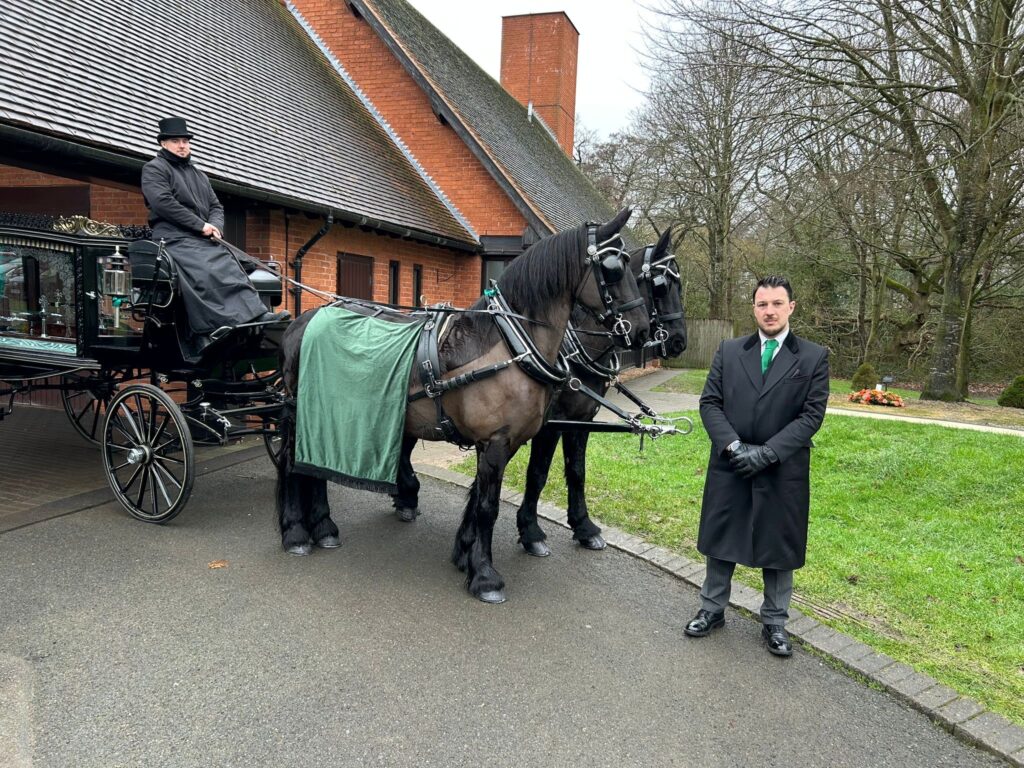
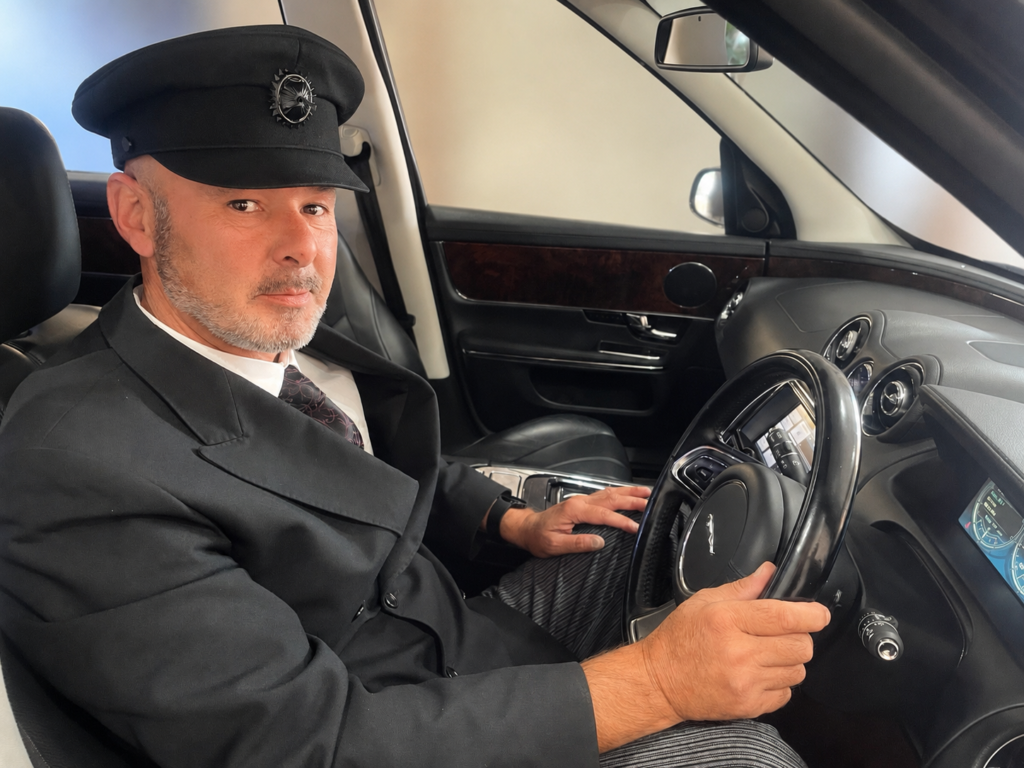
In the early 1900s, horse-drawn hearses took the deceased on their final journey, often grand black carriages with glass sides, drawn by teams of horses wearing plumes. The transition to motorised hearses began in the 1910s and 1920s, when vehicles like the Daimler and Ford Model T were adapted for funeral use. By the 1930s, motor hearses had largely replaced horse-drawn ones in most towns, offering practicality, reliability, and a more modern image.


That said, the traditional carriage is far from gone. Today, it’s often chosen for its symbolism and elegance, a nod to heritage and ceremony, used for especially meaningful or traditional services.

The Role of Women in the Funeral Profession
For centuries, the funeral trade was almost entirely male-dominated. The physical nature of work and societal expectations around gender meant few women were visible in the profession. Yet behind the scenes, women were always present, preparing clothing, arranging flowers, and supporting grieving families.
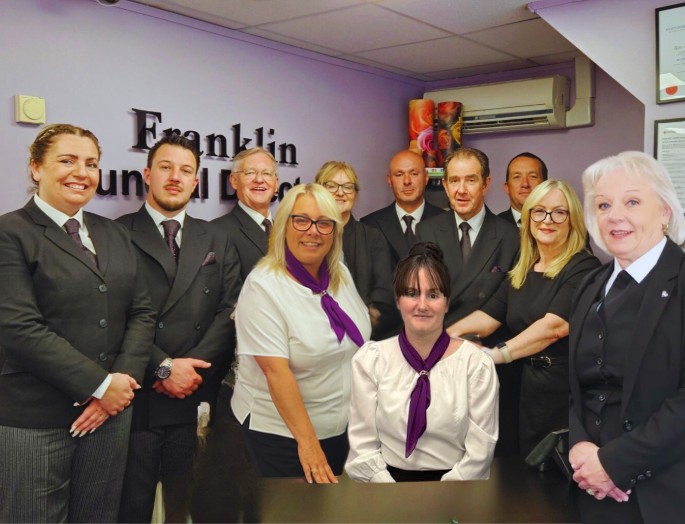
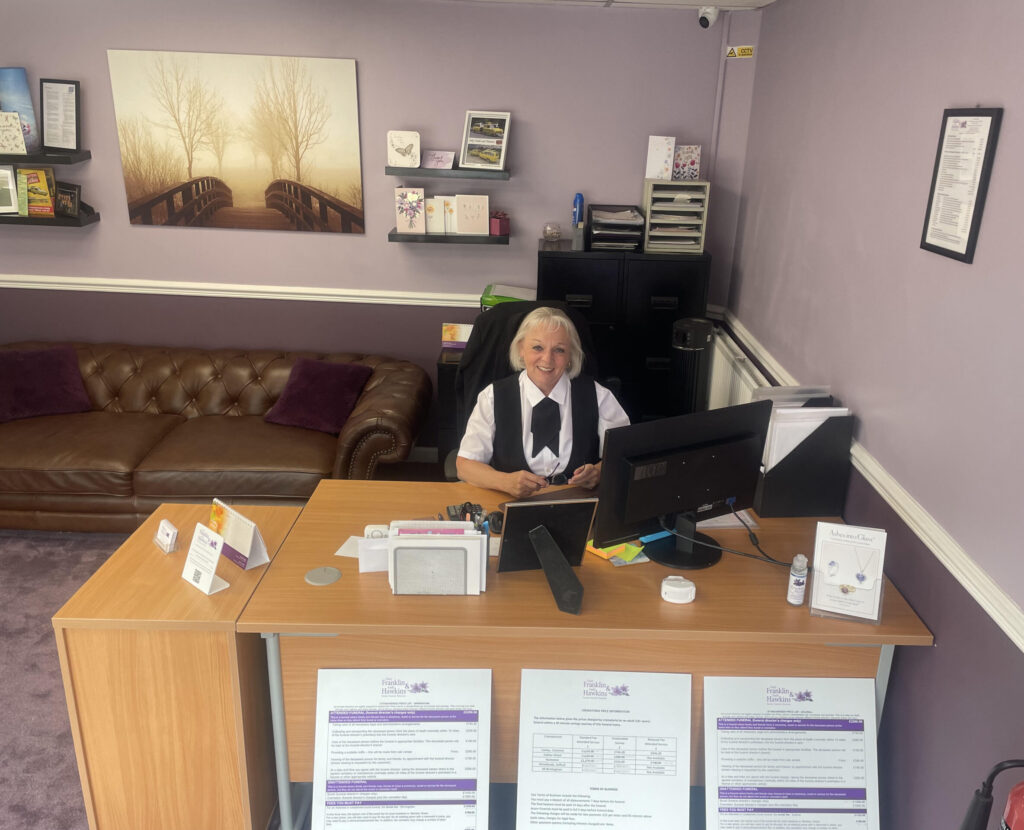
The real shift began in the late 20th century. As conversations around death, care, and empathy evolved, women began entering the profession in growing numbers. Their approach brought fresh perspectives, focusing on compassion, communication, and personalisation. Today, women are not only funeral directors but also celebrants, embalmers, and business owners. And the industry is stronger, more balanced, and more human for it.

Coffins Through the Ages
Coffins have come a long way from their simple beginnings. In early Britain, people were often buried in shrouds or simple wooden boxes made by local carpenters. Over time, craftsmanship became more ornate, polished woods, brass handles, and velvet linings reflected both status and sentiment.
Modern funerals now offer a wide range of coffin options, from classic oak veneer to beautifully painted or woven willow designs. Eco-friendly materials like cardboard and bamboo have become increasingly popular too, reflecting a shift toward sustainability and individuality. What was once a purely functional choice has become an opportunity for families to express personality and care with options such as unique designs showcasing hobbies and character.

Changing Attitudes and Personalised Goodbyes
Perhaps the biggest transformation has been in the way we think about funerals themselves. For much of the 20th century, funerals were solemn, formal, and largely led by clergy. Today, more families choose celebrant-led ceremonies that focus on life stories, personal touches, and individuality.
Music, photos, readings, and even laughter have become just as welcome as hymns and prayers. There’s more openness, more honesty, and more flexibility, allowing people to say goodbye in a way that feels right for them.
Looking Ahead
The future of funerals continues to evolve. We’re seeing greater use of technology, from livestreamed services to digital memorials, as well as continued growth in green burials and natural cemeteries. What hasn’t changed, though, is the heart of it all, love, memory, and the need for connection.